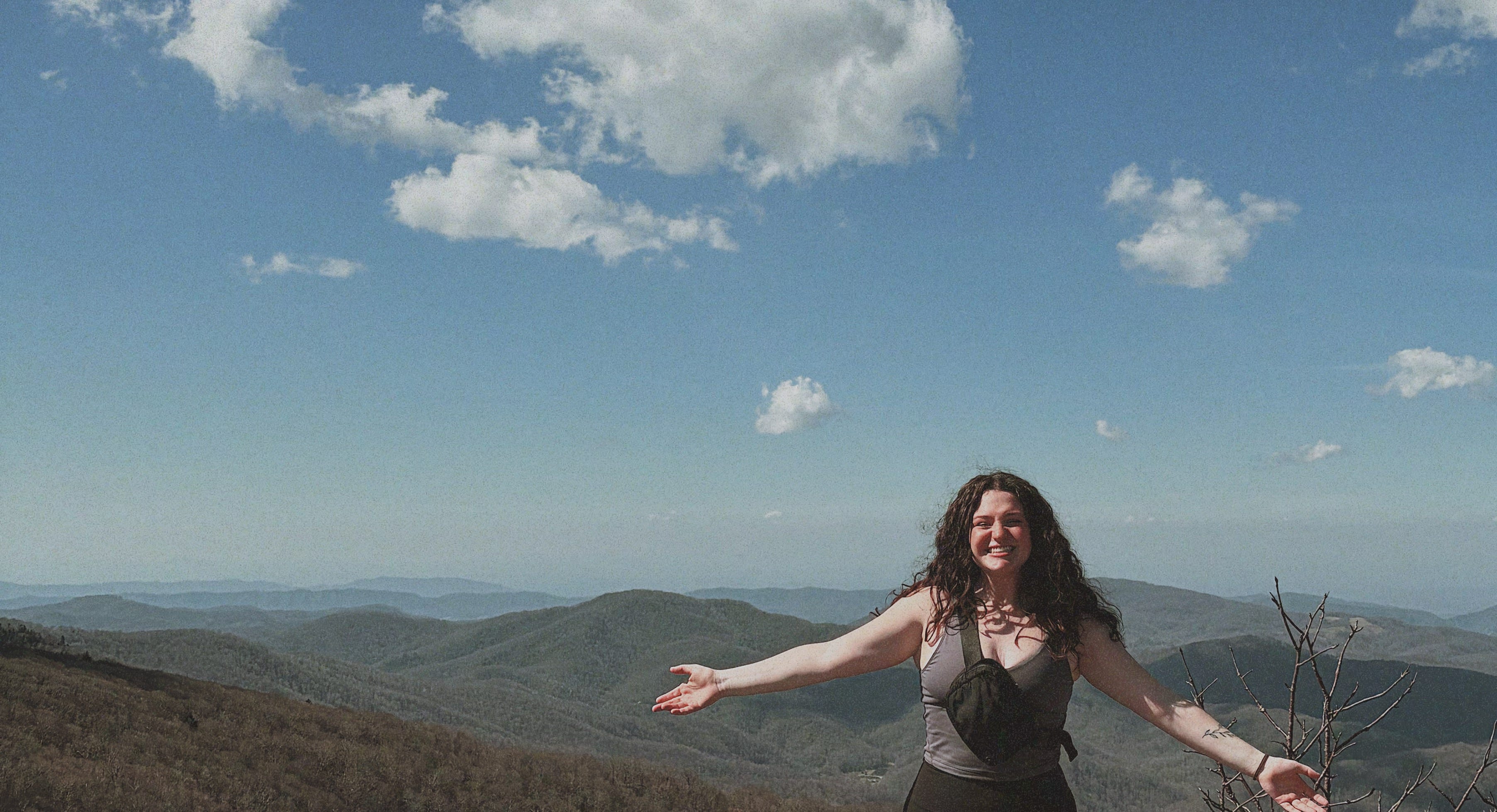

Something about being outside typically brings existential questions to my mind. Maybe not existential, that’s dramatic. But I do love questions with no clear answer, ones that inspire long conversation and no real resolution.
My hands finally found a decent hold while climbing at Hidden Valley when the intrusive thought first came to my mind: What does wonder require of us? I don’t know why the word “wonder” was on my mind so heavily. It was likely inspired by the Evan Honer song I was listening to that day, but the word repeated in my mind as the sun set over the Blue Ridge Mountains.
Wonder. Is wonder something that clings to these extraordinary, beautiful moments like the pinks and oranges dancing in front of me?
But these boxes I was trying to confine wonder to felt small, shallow. If wonder is only reserved for extraordinary moments, then it has very little to do with the lives most of us actually live… With my headlamp illuminating the trail back to the car, I ended the evening with tired hands and a head full of half-baked thoughts on the subject.
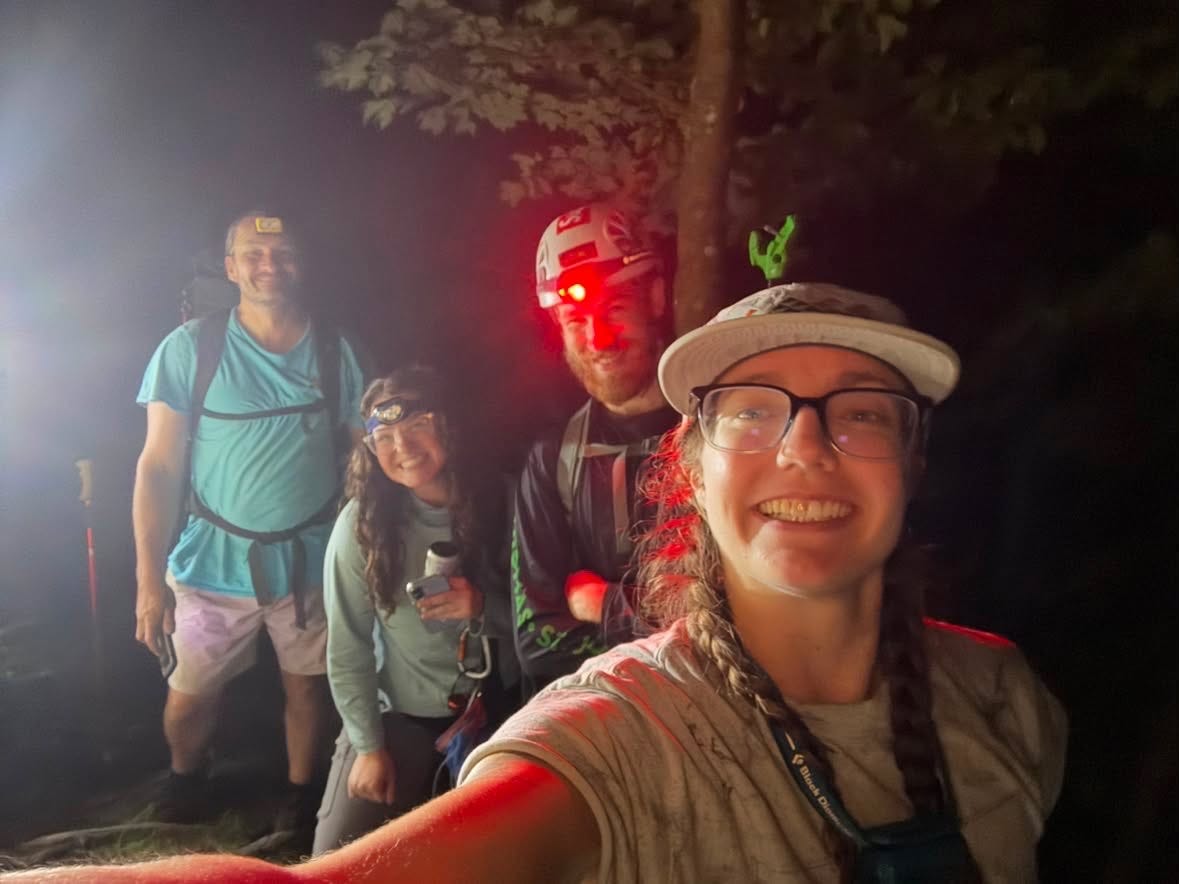
I drove myself and one of my best friends through the dark to my favorite place: the Great Smoky Mountains National Park. I had been planning this backpacking trip for weeks with checklists and maps. My entire body was radiating with excitement, even though we were leaving so much later than anticipated. Our itinerary for the trip was as follows:
Friday: 6 miles from Big Creek Ranger Station to Campsite 37.
Saturday: 6 miles up Mount Sterling to Campsite 38.
Saturday: 6 miles back down to the trail head at Big Creek Ranger Station, finishing the loop.
Six miles in the dark wasn’t ideal, so I was eager to make it to the ranger station. We were ten minutes away when I missed our exit. I looked down at my GPS to see 35 minutes added to our arrival time. The next open exit was fifteen miles away, due to ongoing construction from Hurricane Helene damage. And when we finally made it to the next exit, a police car was blocking the entrance ramp back onto the interstate. I was convinced at that point that we were never making it to the trail.
Despite the chaos, we finally made it to Big Creek Ranger Station at 11:00 PM. We loaded up our packs, tied our shoes, and charged up the trail—determined not to let the chaos completely derail our trip. We hiked under the stars, listening to Big Creek flow alongside us. We were certainly tired and ready to set up camp, but I was so excited to be on the trail nonetheless.
Two miles in, we crossed the bridge over Mouse Creek Falls to find a bright orange barrier on the other side with a sign: TRAIL CLOSED. My jaw dropped. My heart sank. My dreams were crushed. How could I have missed this crucial detail when planning?
I silently turned around and began walking in the only direction possible, trying to stick to my rule of not complaining in the backcountry.
I think Thomas could see how defeated I was, since he gently suggested finding a place to sit and regroup. To be honest, I didn’t want to regroup. I wanted to hop the fence and get to camp—but I treasure this park too dearly to break the rules. We ultimately decided to return to the car, sleep, and come up with a new route in the morning…
The morning, thankfully, brought a pair of backcountry rangers to our rescue, who helped us choose a new trail to get to Campsite 38. Soon we would be back on track.
We reached the peak of Mount Sterling a few hours later, completely socked in. The fog didn’t break, except for a brief moment at night. There was no panoramic view of the mountains. Rather, it was wet and humid and boring.
And even still, I loved the trip. I loved being outside. I loved moving my body.
When we made our way back down the mountain on Sunday morning, I thought to myself: What does faithful joy look like? Because I’m not sure I would’ve labeled anything from the weekend especially “happy”.
But there was something joyful about the trip, which didn’t immediately made sense to me. Of course, the joy that Christ gives me has never necessarily made sense to me, either. I’ve often felt it in moments that were saturated in illness, pain, and confusion. Again, I returned home from the mountains with aching legs and a mind full of half-baked thoughts.
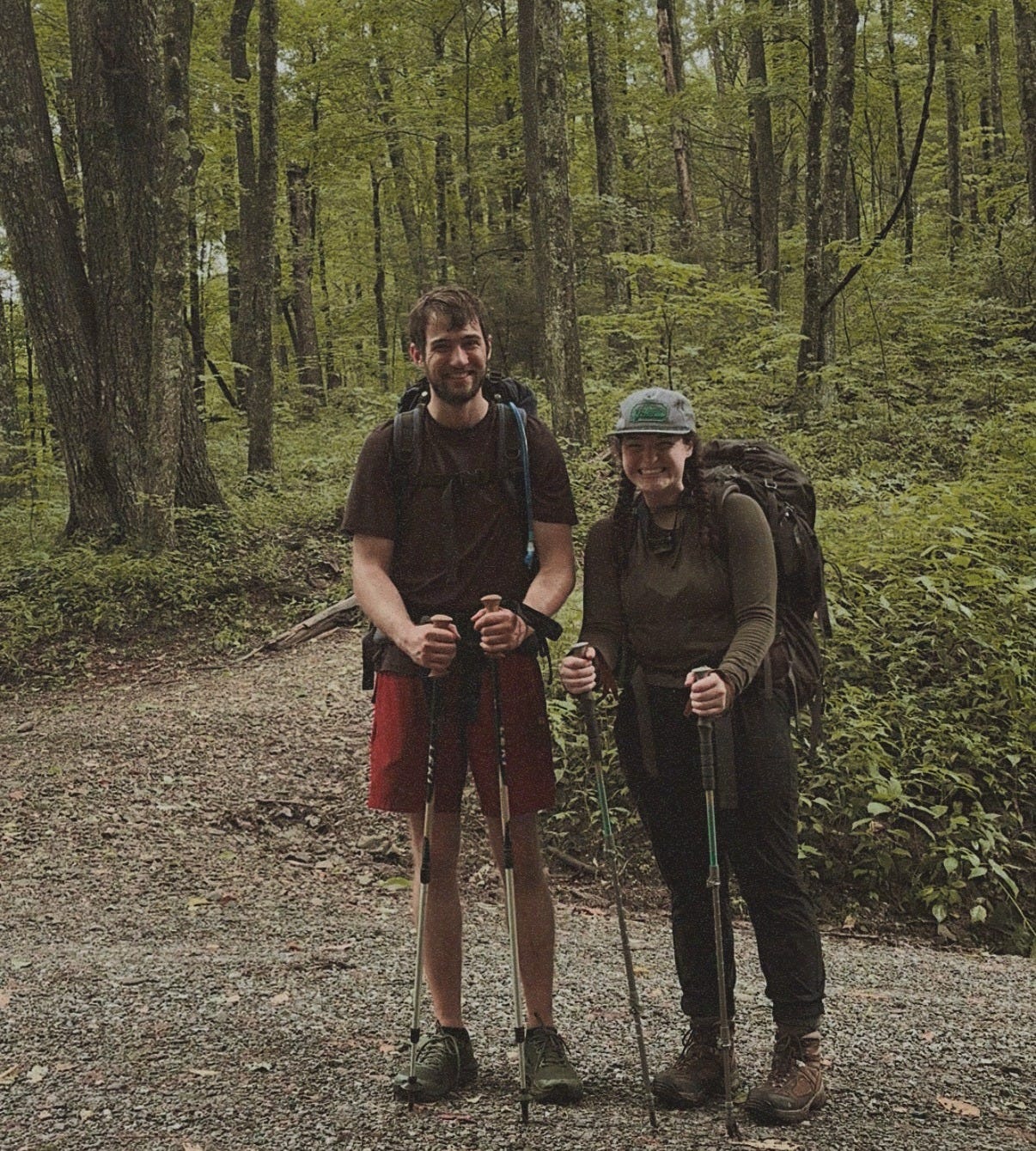
A month of backpacking and climbing doesn’t necessarily have to symbolize anything. It can simply be a record of becoming Emma more fully, of becoming someone who says yes to beautifully difficult things. But diving into such physically demanding hobbies continues to draw me into intellectually demanding thoughts.
For some reason, I find myself completely unable to separate a life outdoors from a life lost in thought. Climbing provokes questions with no clear answers. Backpacking convicts me of impetuous negativity. Maybe the mountains refuse the illusion that life can be controlled. Not maybe, as they certainly do for me.
And if life can’t be controlled, how do we inhabit the world with gratitude instead of merely surviving it? I ask this as a control freak who struggles to be grateful when her plans are derailed.
In unpacking that, I’m drawn into more questions, like: What does it mean to inhabit a life? Is it simply to be present? To notice what is around us? To receive each day as it comes instead of measuring it against the day we wish we were having?
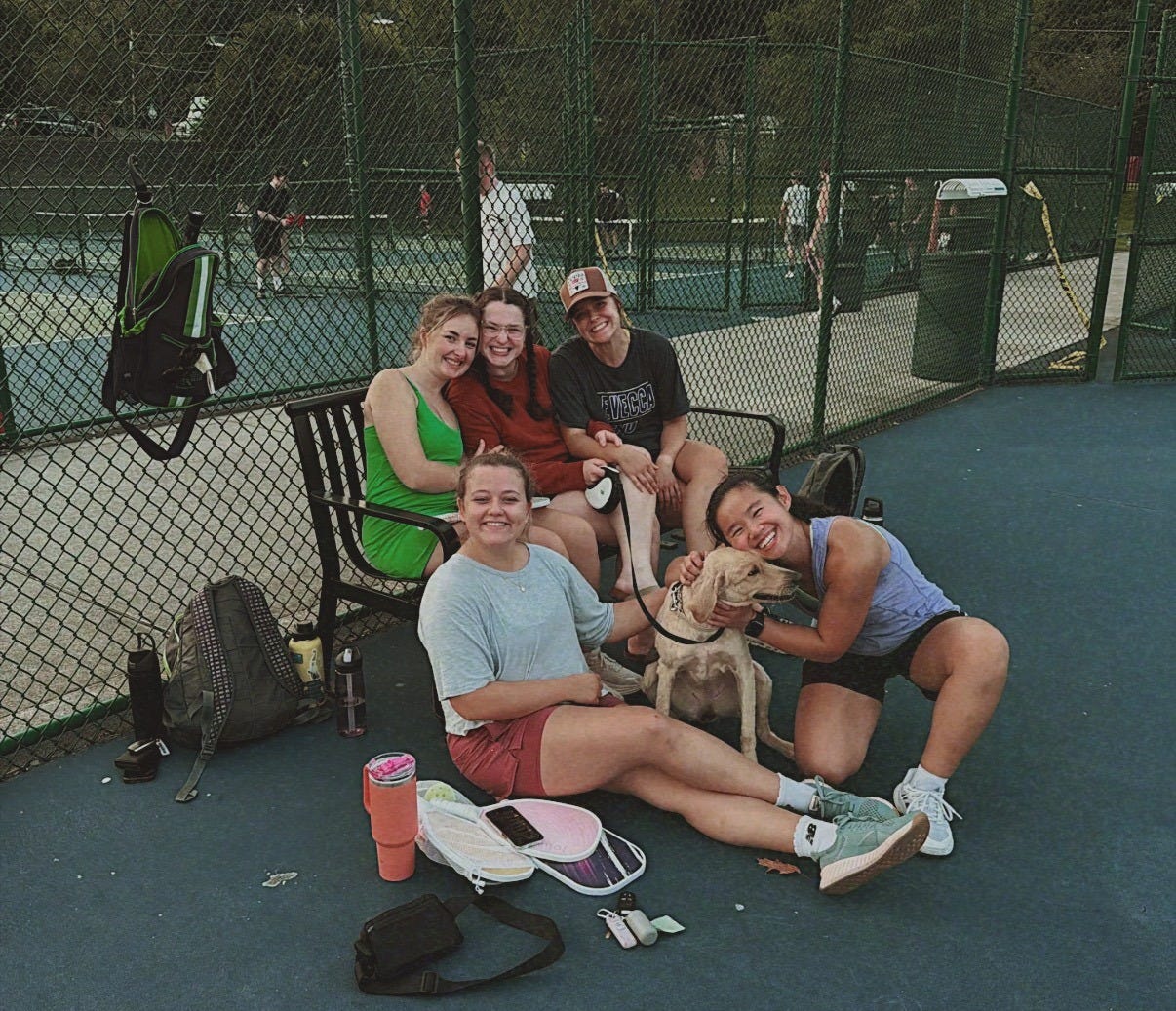
I certainly feel like I’m inhabiting more in recent months, noticing more. Perhaps this comes easier with a sense of stability. Or maybe it has to do with a community of people you love and who love you in return.
And what is gratitude, really? Is it a feeling that arrives when life is going according to plan? Or is it a discipline we choose when it isn’t? Is it possible to be genuinely grateful without pretending the pain doesn’t exist? Without forcing meaning onto disappointment or searching for a silver lining before we’ve allowed ourselves to grieve?
For years, I’ve leaned more into the discipline of thankfulness, as it walks hand in hand with that “patience” word I truly despise. Neither are things I would come to naturally. I’ve never found a true balance between this and realism, though, and something tells me I never will.
I don’t know that I’m all that interested in even answering any of these questions, but I adore the conversations that they inspire. It’s not that I don’t believe the truth exists, but some questions deserve more reverence than a tidy conclusion. These questions ask something different of me: honesty, patience, a willingness to admit that I can stand at the edge of an idea for awhile without immediately trying to cross it. These are questions worth carrying.
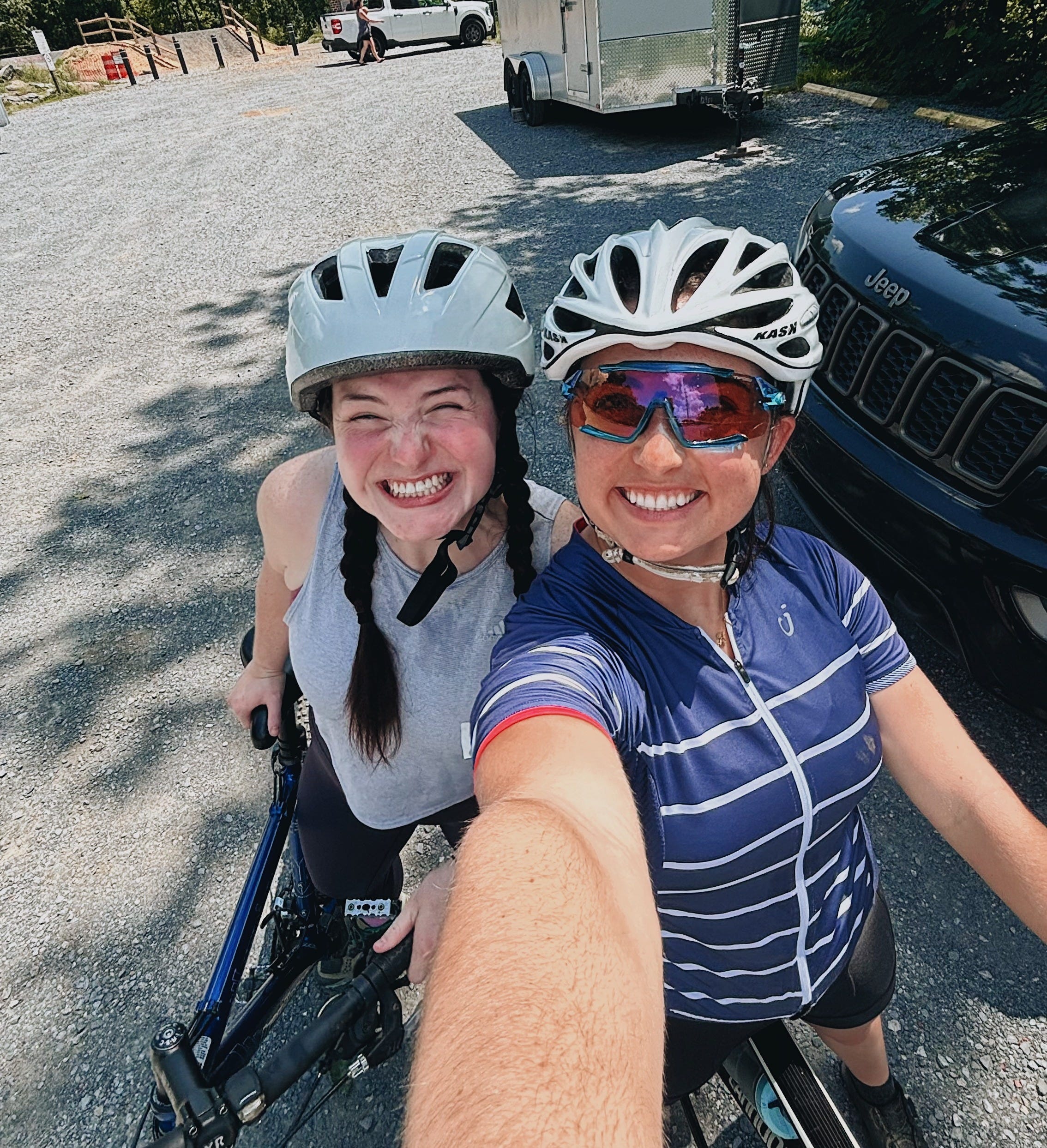
I keep coming home with dirt under my fingernails, with aching legs, with torn hands, and with a deepening conviction that God is teaching me to inhabit this world as someone constantly learning. As someone who wonders. As someone who thinks deeply.
I don’t want to offer resolutions this time. Many of my blogs feel like a little life lesson, but I actually hope this is just inspiration for conversation and depth. Resist the temptation to reduce something mysterious into something manageable. You don’t have to carry every conclusion by yourself. The truth is often pursued in conversation, long walks, shared meals, late-night drives. You can carry these questions into the mountains or to the dinner table, without having to hurry towards certainty. They inspire us to keep looking, to keep listening, and to remain open to the possibility that understanding is less arriving somewhere and more learning how to walk with wonder.
I’ll continue gratefully pondering with you.
Until next time, friend—
Emma B.