May 2026
resting in the joy of what Thou art

Our shut-in activities during the Covid-19 pandemic were baking bread and hanging on the 2x4 plank that my Dad had screwed above my bedroom door. It was kind of a ghetto addition to the door casing, posing as a homemade hangboard. I was a few months away from moving to Chattanooga for college, and I had been invited to climb on an intramural rock climbing team. My family had always been outdoorsy, all having passed down the same extra-small pack for our first backpacking trip with Dad. It was no surprise when we all obsessed over the next hobby, and we bickered over who would be able to do the first pull-up on the “hangboard” (I’m still in denial that it was my brother). Jackson, who has always been shy, struggled with anxiety during the shutdown, and our workouts were an outlet for him during this time. To this day, he has still never been climbing, but he has the grip and shoulder strength to jump in with ease. My sister Leah and I clung to each other, excited to compete with Jackson in the hallway as we took turns wearing our hands out. There were many nights that we would finish up and head to the tent we pitched in our backyard, trying to find some feeling of being in the backcountry while everything was still inaccessible. When looking back at pictures from this time, I am still so envious of 18-year-old Emma’s visible forearm strength. That season was the first time in my life that I felt strong and confident in myself.
Getting sick two years later didn’t just come with the annoying, monotonous trips to the hospital. It meant losing the strength I had fought for, and it meant losing hobbies that made me feel like I was really me. So even as I dipped my toes into sports and activities last summer post-chemo, I knew that I wanted to climb again—but I was terrified of all the strength I had lost during the sick years. It kept me away from the gym long after my body was stable and healthy again.
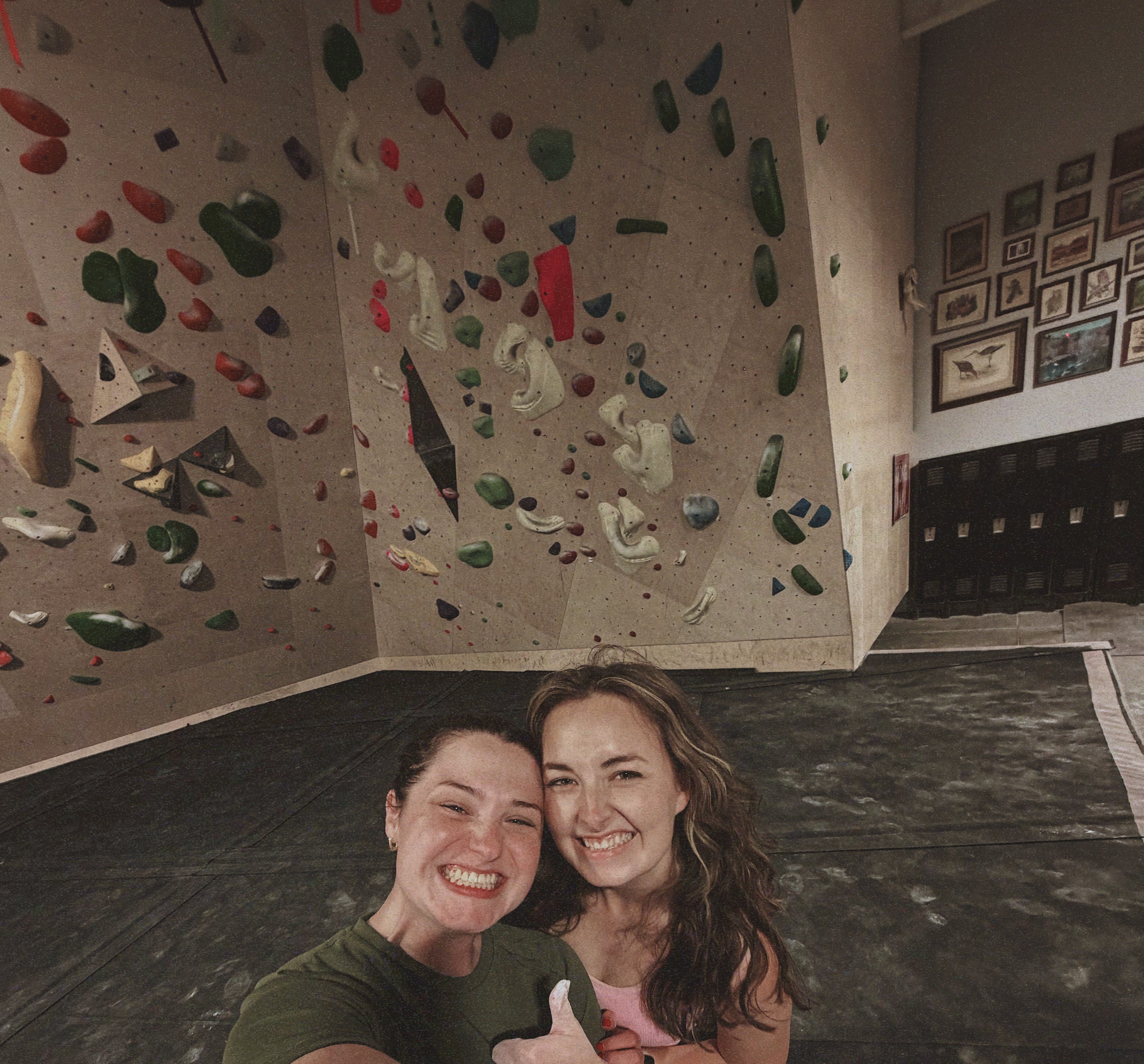
Almost a year later, some friends talked me into going with them to the bouldering gym in Bristol, where they are frequently found on Thursday evenings. I checked in at the counter with my chalk bag that I dug out from the depths (the back of my closet). I rented shoes, making me feel like such a stranger to the sport, but it had been years since I’d even spoken to the friends who used to climb with me and lend me gear. That almost feels like a different life.
I looked up at the wall, surrounded by pals who were so encouraging and sweet, completely terrified. Where do I even start? I knew what grade I used to climb, but I didn’t have a clue what my body could do now. Alex, Jonah, and Isaac pointed out where I could start, and I walked up to the wall, suffering from major imposter syndrome.
Once every extremity was on the wall, I was surprised by how strong I felt. I was by no means as strong as I was at 18, but I wasn’t altogether weak, either. I continued to climb, noticing the lack of calluses on my hands, but thrilled to have the old feelings of confidence rushing through my body. I reached for the fourth handhold and slipped, falling onto the mat below me, consumed with laughter and joy. It was a moment where I felt that I was truly stepping out of the brokenness and grief of illness and back into the fullness of joy that healing has brought me. I can be healthy and strong again, undefined by the years of dysfunction within my body.
These are important moments to notice in the healing journey.
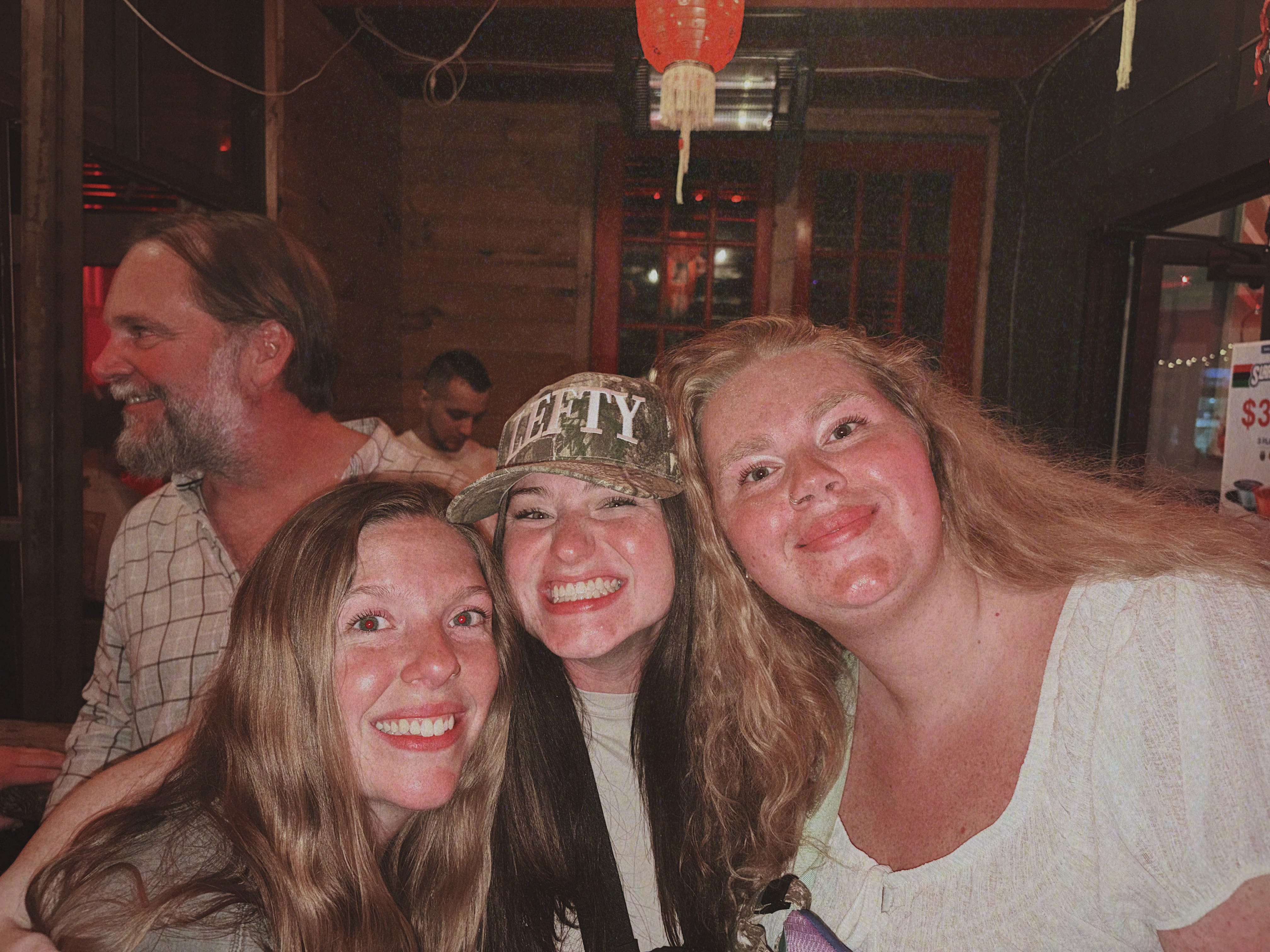
My friend Meagan is one of those people who radiates infectious joy, and you can’t help but giggle and smile the whole time you’re with her. She laughs so hard she cries, and she speaks highly of everyone she loves. Meagan and I occasionally meet up on the Tweetsie Trail to go on long walks to catch up on life, but mostly she just brings my mood up exponentially. Our first walk together was an unexpected eight miles, but we were just so deep in conversation that we forgot to turn around on the trail until we hit the four-mile marker. On our last walk, we only had time for six miles—but we decided that we needed to come back soon to beat our record and go for ten miles! It was while we were giggling about this plan that I reflected on how different walks look this summer than they did in the last several.
This week, one year ago, I started my Methotrexate treatment. My doctor talked me through the MRI of my spine, where endometriosis was causing its curvature, and how this kind of chemotherapy has been shown to improve conditions like mine. I hardly remember the conversations from this time, the rooms they were held in, or what I expected to come of the treatment. I was at the point where I was willing to agree to anything out of desperation, and at the same time, I had practically given up on myself, on any chance I had of getting better. I tried to go on a walk that day to clear my head, and I could only make it a quarter mile before I just physically could not walk anymore.
The difference between what I could do then and what I can do now is astounding to me. I will always have Ehler’s Danlos Syndrome, but I’ve found stability in health and a lack of symptoms. Some days, I forget what it was even like to feel sick every day. In a lot of ways, it feels like absolutely everything has changed.
Phrases like It is well, Count it all joy, and Great is Thy faithfulness even taste different in my mouth on this side of treatment than they did when I was sick. I use them just as frequently, and it’s not even that the joy is any deeper—but it’s just not tainted with envy, comparison, grief, or anger anymore. I am content. The previously steady hum of grief has become silent, nearly nonexistent. I pour out praises on the Father for the now, and it’s easy to do because my gratitude is so free-flowing. I am living out so many answered prayers, ones that I spent years on the bathroom floor begging the LORD for. My close friend Blake texted me last week: “How is Emma? Are we surviving or thriving?”
Thriving. It was an easy answer. The Lord’s hand on my life is undeniable; I don’t have to squint to see His goodness among the muck anymore.
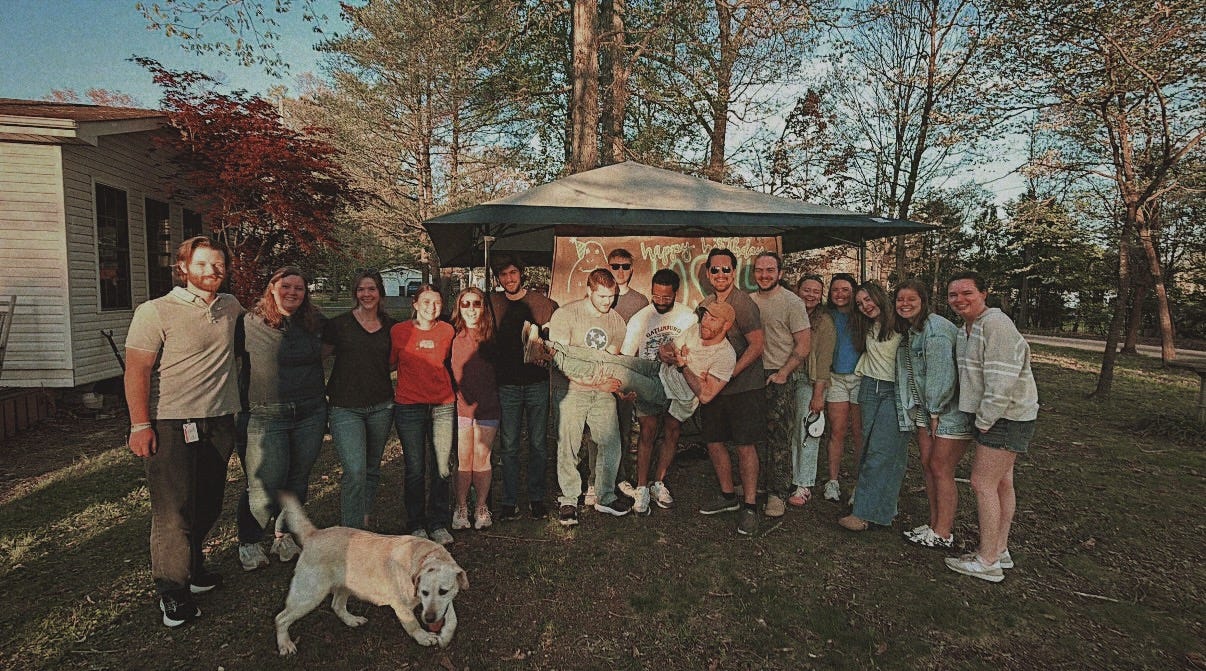
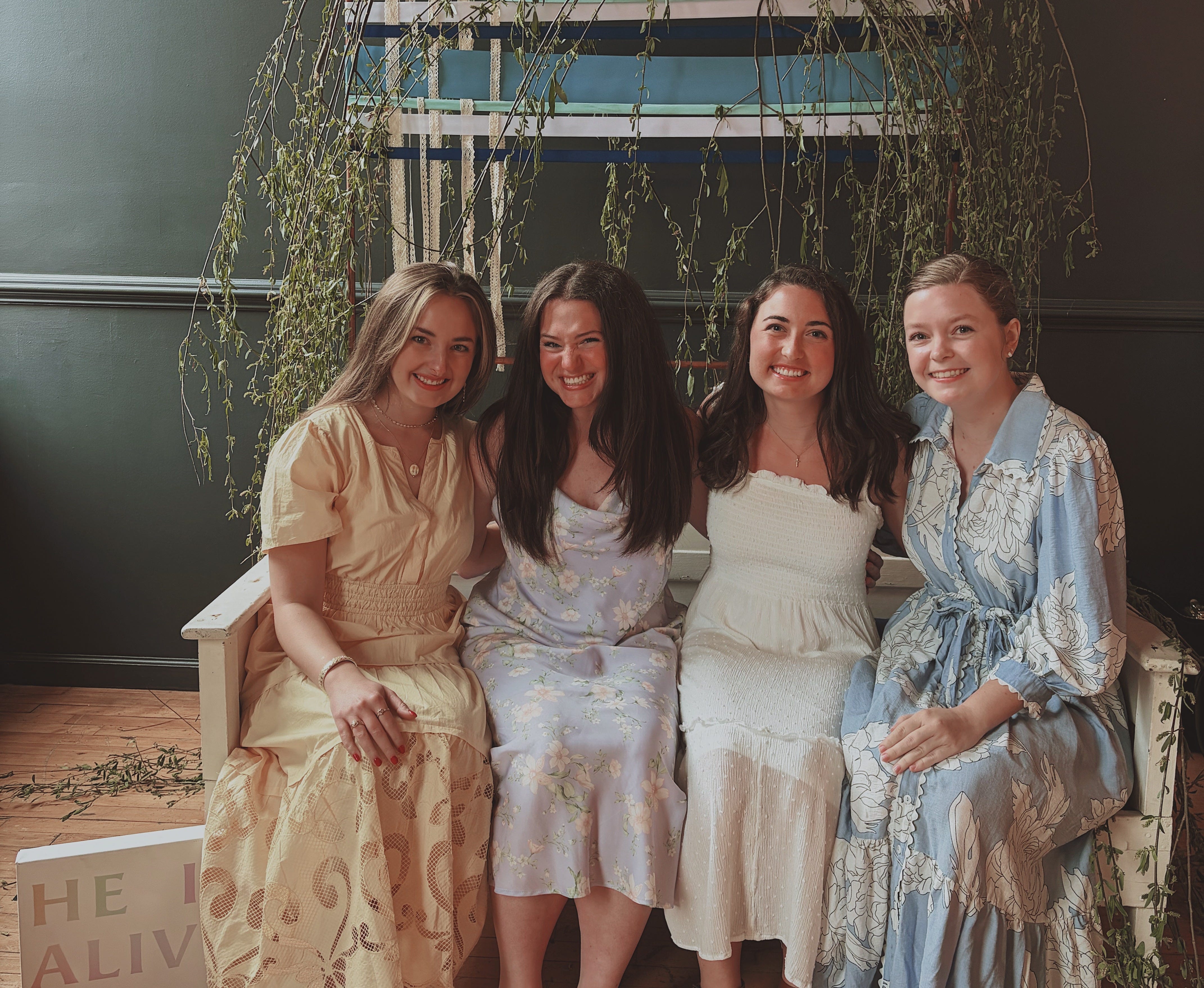
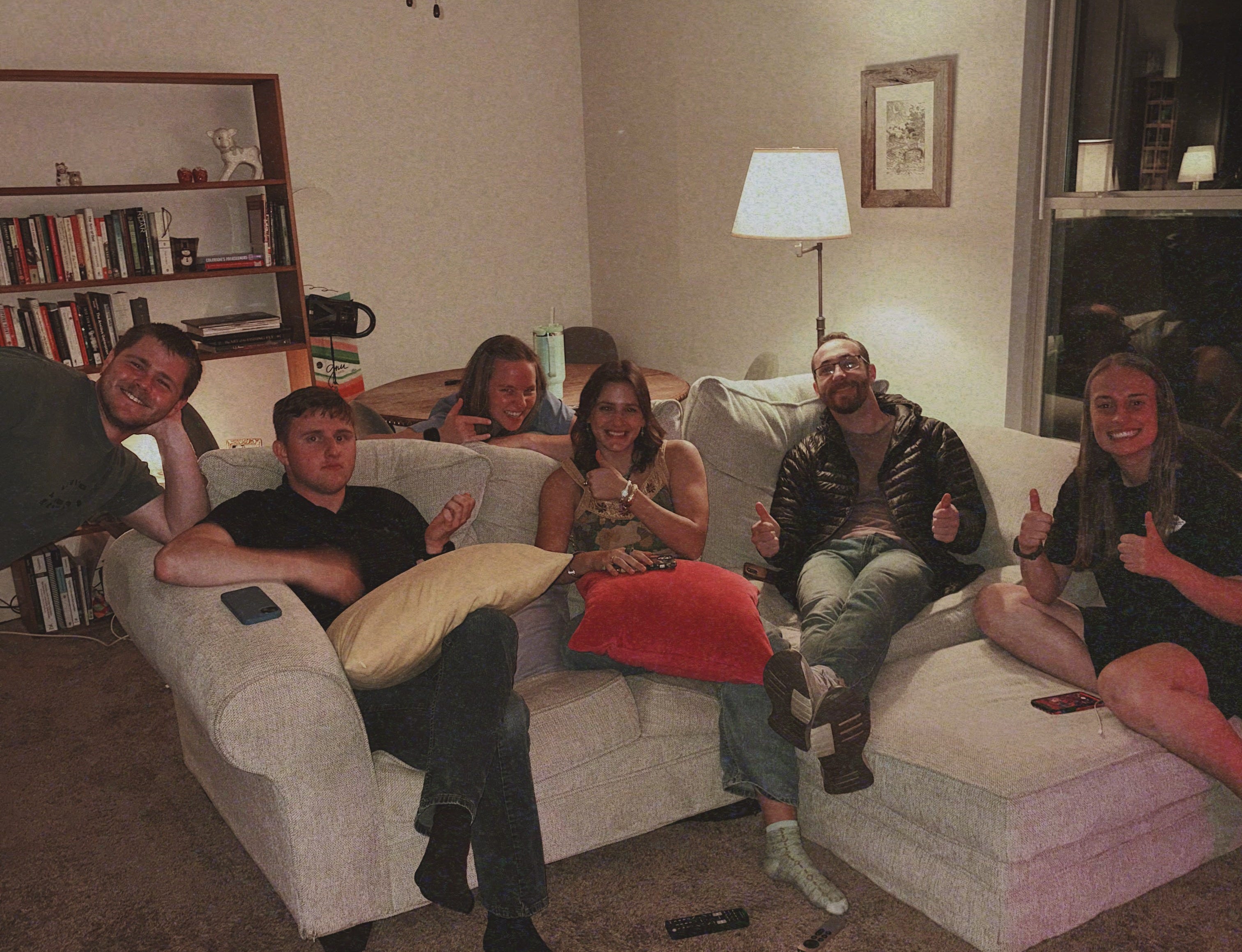
My Sunday evenings have become the most enthusiastically anticipated night of my week. I pull into my friend Audrey’s apartment complex at 5 p.m., often with the windows down and serotonin-inducing music playing on the radio. I walk up two flights of stairs, ready to greet five of my dearest friends who make up my Discipleship Group. We hug one another with laughter and an excitement to spend time together (even though we just sat together at church in the morning), and warm up our food in Audrey’s microwave to “break bread” together (eat our meal prep out of tupperware containers). The first hour we spend together usually involves catching up on the week, showing a genuine desire to hear about the little things going on in each other’s lives: the anatomy tests, the engineering experiments, the court dates, the gentleman suitors, the workouts, and everything in between.
Once we finally dig into the lesson, there is always a little drawing to explain the main points. The three chemical engineers in the group (also known to us as “the trifecta”) love these, and usually begin talking in nerdy-lingo. They lose me immediately—although I can occasionally pick up on words like “vacuum” and “oscillations”…
The last lesson we did had a drawing that looked an awful lot like a cell: with “FELLOWSHIP” being the middle of it, the mitochondria, if you will. “Fellowship is the powerhouse of Christianity!” I said, a little louder than necessary, but I was just so excited to understand the diagram for once. We giggled a good bit, and that quote became the bio for our D Group Instagram page shortly after.
Each week, we end with prayer and a “physical fitness challenge” (30-second plank or 5 pushups), and we head over to the pickleball courts to meet the rest of the pals for a few hours. Following the mitochondria bit, I was beaming in the realization of how my spiritual life has thrived with the accompaniment of secure, safe friendships. I had found the key to contentment in Christ-centered fellowship.
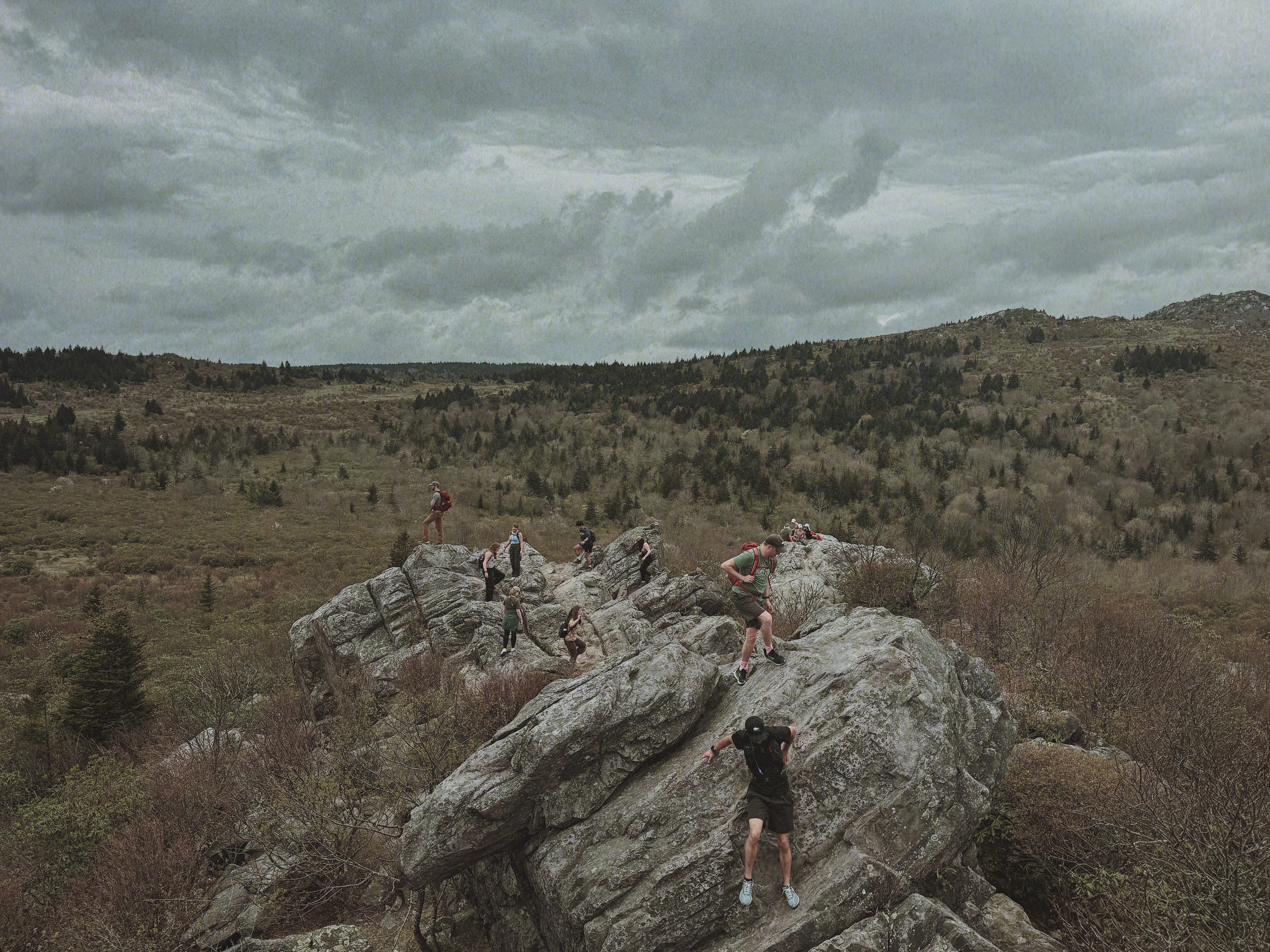
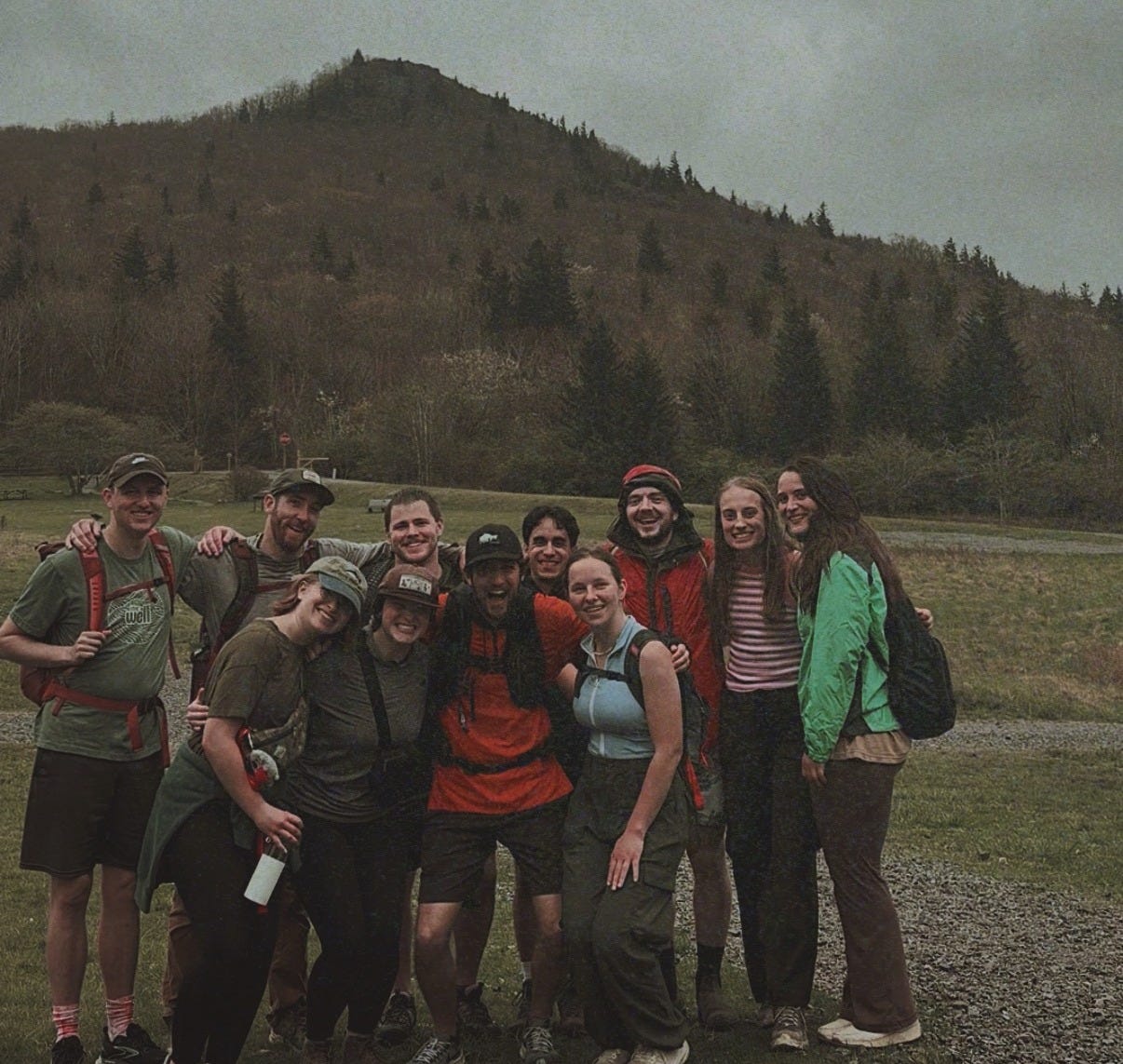
Contentment, however, is not reserved for the healed. It’s not the presence of easy, happy circumstances. Trust me, friend: the D Group girlies bring hard emotions and painful circumstances to the table with the Tupperware dinners every week. We ask questions with no good answers on our cute sunset walks. We vent about boys, about work, about traffic between giggles and hugs.
And before our lesson, I kind of thought my sudden contentment in this season was because of circumstances, of finally gaining all the things I had once begged God for. I was spiritually gripping these blessings for dear life, terrified that God would eventually take friends and health away again.
Contentment is a settledness in God that can exist in both fullness and lack. It is learned, not stumbled into. And it is maintained with the support of a God-given community. Fellowship doesn’t just make life fun; it forms contentment. I find solace in the words my dear friend Erica texted me in the deep grief of our illnesses: We submit our rationalizations and fairness and justice to the LORD who knows exactly what He is doing.
I sat on the front porch of my new Johnson City apartment, surrounded by morning fog and watching the May sunrise colors dance over Buffalo Mountain. I brought Earl Grey tea to my lips and let out a deep, secure breath. I had just heard this hymn lyric for the first time, and I couldn’t help but soak up the gravity of worship in it: resting in the joy of what Thou art. I thanked Christ for the beauty of His Creation, both in the mountains and in my friends and in my body’s ability.
But even without these blessings, should the Lord decide to move me into a season without them, I can live my life resting in the joy of what Thou art in any season. Even from the hospital, there was Creation to behold within conversations with other patients, in books saturated in wisdom, in the way sunlight danced across my white ICU sheets, in the sentences I wrote about the experience. It was all by Him and for Him… and I could have found contentment in that place, too, even if it required more work.
I love (and cry at) Fyodor Dostoyevsky’s words here: “And He will stretch out His arms, and we will fall at His feet, and we will cry out sobbing, and then we will understand all, we will understand the Gospel of grace! Lord, Your Kingdom come!” In the slow early mornings with the LORD, I am eternally thankful for the prayers He has answered in the now. But I do long for heaven, to sit at His feet and rest in His nearness.
And with that eternity in mind, there is contentment on this side of heaven.
Until next time, friend—
Emma B